Kirstenbosch National Botanical Garden
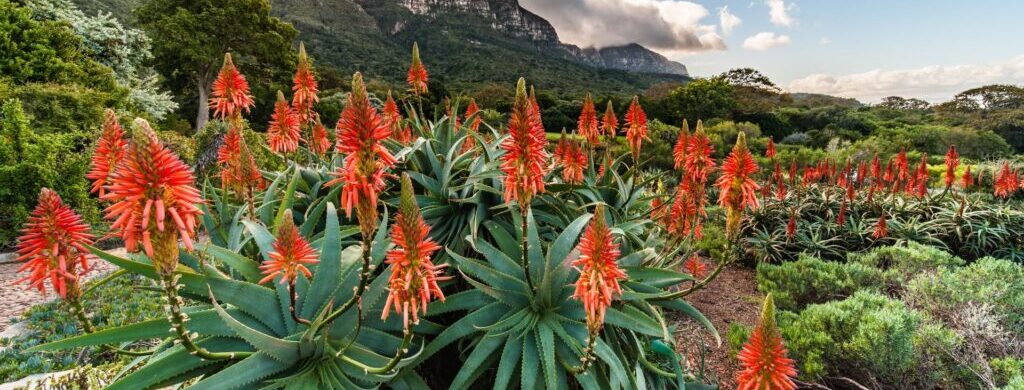
Kirstenbosch National Botanical Garden is one of the most beautiful botanical gardens in the world, located on the eastern slopes of Table Mountain. It is part of the Cape Floristic Region, a UNESCO World Heritage Site, and showcases the incredible diversity of South Africa’s indigenous plant life.
The gardens are designed to highlight the natural beauty of the region, with carefully maintained lawns, walking paths, and themed plant sections. Visitors can explore a wide variety of fynbos species, medicinal plants, and rare flowers unique to the Cape region. Seasonal blooms make every visit a different experience throughout the year.
One of the highlights of Kirstenbosch is the famous Tree Canopy Walkway, also known as the Boomslang, which curves through the trees and offers elevated views of the gardens and surrounding mountains.
The garden is also a popular picnic spot, with peaceful open spaces perfect for relaxation.
Live music concerts are often held in the gardens during summer, creating a magical outdoornexperience.
For KB Tours guests, Kirstenbosch offers a peaceful escape into nature, combining education, beauty, and relaxation in one destination.

Protea
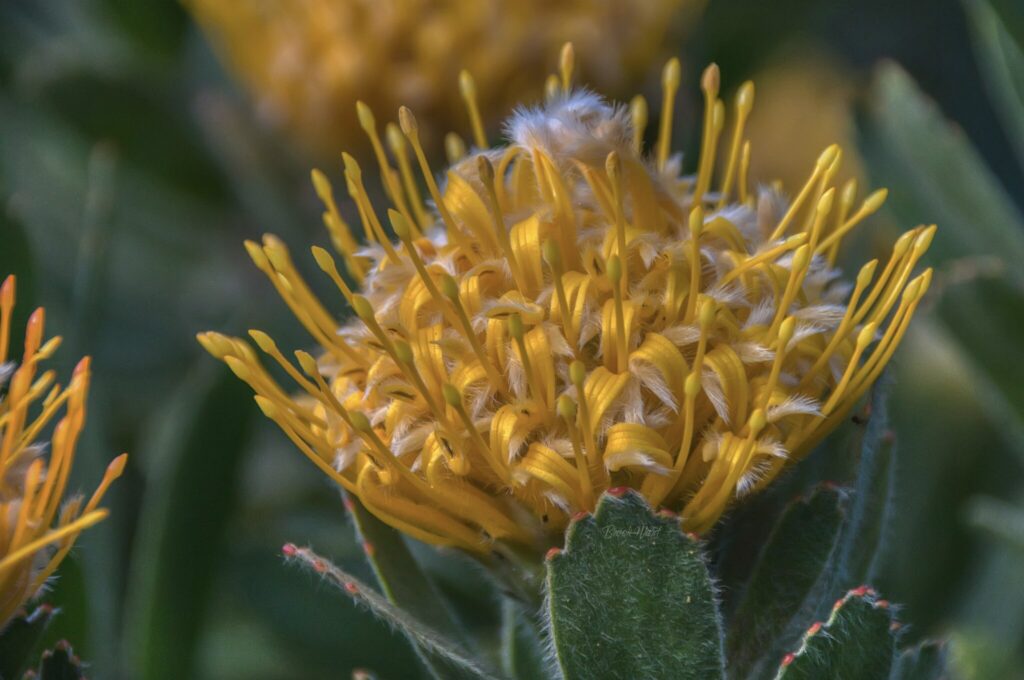
The Protea is one of the most iconic symbols of South Africa, celebrated for its striking beauty, diversity, and deep connection to the country’s natural heritage.
A unique and ancient plant
Proteas belong to one of the oldest families of flowering plants on Earth, dating back over 300 million years. They are part of the extraordinary Cape Floristic Region, one of the richest biodiversity hotspots in the world. This region, found mainly in the Western Cape, is home to thousands of plant species found nowhere else on the planet.
Proteas are incredibly diverse—there are more than 1,500 species within the family, with around 300 found in South Africa alone. They range from low-growing shrubs to small trees, all adapted to survive in nutrient-poor soils and harsh, dry climates.
The King Protea
The most famous of them all is the King Protea, which is also South Africa’s national flower. It stands out for its enormous flower head, sometimes up to 30 cm wide, with bold pink petals surrounding a soft, dome-shaped center. Its appearance is both exotic and regal, symbolizing change, hope, and resilience.
Adaptation and survival
Proteas are perfectly adapted to the Cape’s fire-prone environment. Many species actually rely on fire to reproduce—their seeds are stored in tough cones and only released after a fire has passed, allowing new plants to grow in nutrient-rich ash with less competition.
They also play a crucial ecological role, providing nectar for birds like the Cape sugarbird and various sunbirds, which in turn help pollinate the flowers.
Cultural and symbolic importance
Beyond their ecological value, proteas are deeply embedded in South African identity. The King Protea inspired the name of the national cricket team, often referred to as “the Proteas,” and represents diversity—fitting for a country known as the “Rainbow Nation.”
Today, proteas are widely cultivated and exported around the world as cut flowers, admired for their long-lasting blooms and dramatic appearance. But seeing them in the wild, scattered across mountain slopes and fynbos landscapes, is a uniquely South African experience—one that captures the raw beauty and resilience of the region’s flora.