Aquila Private Game Reserve
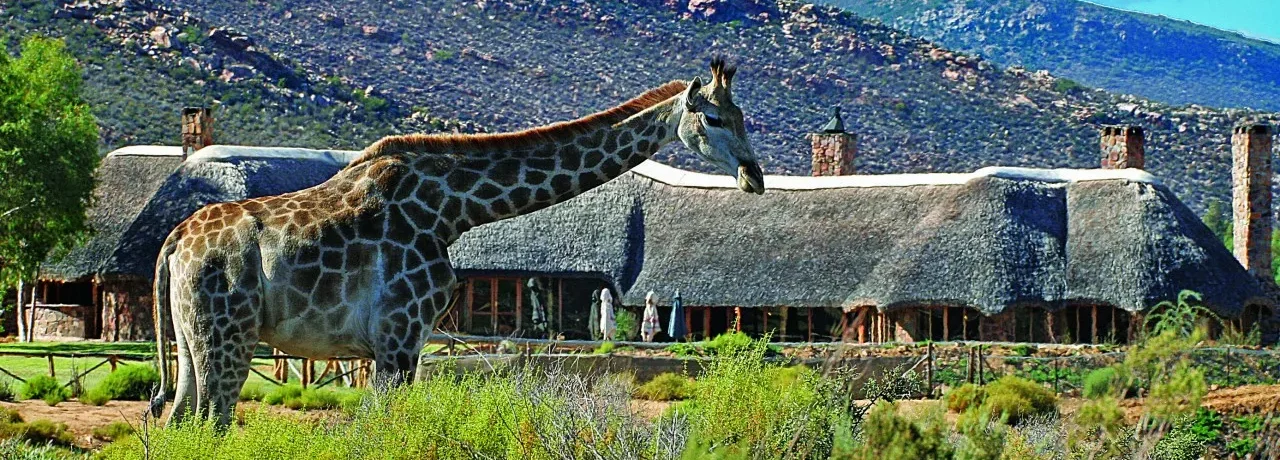
Aquila Private Game Reserve is one of the most popular safari destinations near Cape Town, offering visitors the chance to experience Africa’s iconic wildlife without traveling far from the city. Located in the Klein Karoo region, this private game reserve is home to the famous Big Five: lion, elephant, buffalo, leopard, and rhinoceros along with a variety of other wildlife species.
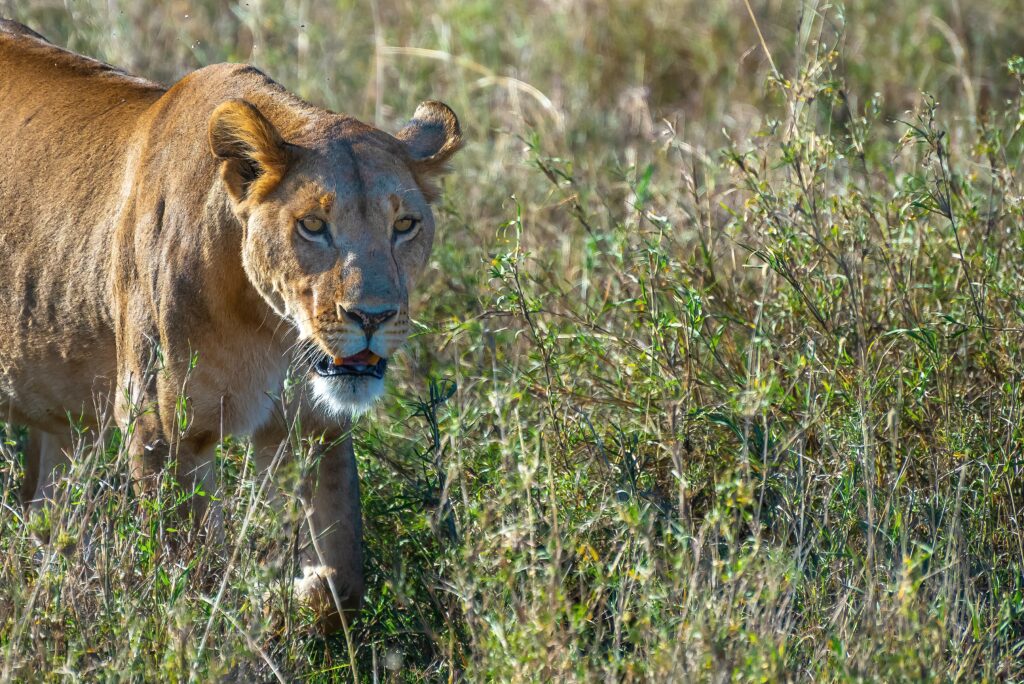
The reserve offers guided safari experiences led by professional rangers who share detailed knowledge about the animals, their behaviour, and the surrounding ecosystem. Guests can choose between open-vehicle game drives or more luxurious safari experiences, depending on their preference. Each drive provides a unique opportunity to observe wildlife in their natural habitat, from lions resting under shade trees to elephants roaming freely across the reserve.
Aquila also places strong emphasis on conservation and sustainable tourism, playing an important role in protecting endangered species and supporting wildlife rehabilitation efforts.
Visitors are encouraged to learn about conservation practices and how these efforts help preserve South Africa’s natural heritage.
In addition to game drives, Aquila offers beautiful lodge facilities, swimming pools, restaurants, and overnight accommodation for guests who want a full safari experience.
For KB Tours clients, Aquila provides a convenient and unforgettable safari adventure just a few hours from Cape Town.
Wildlife conservation in South Africa is one of the most advanced and diverse in the world, shaped by a long history of protecting extraordinary biodiversity—from iconic mammals like lions and elephants to unique ecosystems such as fynbos and savannah.
A global conservation leader
South Africa is home to an extensive network of national parks, private reserves, and marine protected areas. The flagship is Kruger National Park, one of Africa’s largest and most famous reserves, where large-scale conservation efforts focus on protecting species like rhinos, elephants, and big cats.
Beyond state-run parks, private reserves—especially in regions like Sabi Sand—play a major role. These areas often fund conservation through high-end tourism, creating a model where wildlife protection and economic sustainability go hand in hand.
Key conservation organizations
Several organizations are central to protecting wildlife and ecosystems:
- South African National Parks manages the country’s national parks and leads conservation, research, and anti-poaching initiatives.
- Endangered Wildlife Trust focuses on protecting threatened species and habitats, from vultures to wetlands.
- African Parks manages protected areas across Africa, including projects in South Africa, using a model that combines conservation with community development.
Anti-poaching and challenges
One of the biggest challenges South Africa faces is poaching, especially of rhinos targeted for their horns. Anti-poaching units, advanced surveillance technologies, and international cooperation are all part of the effort to combat wildlife crime.
Habitat loss, climate change, and human-wildlife conflict also pose ongoing threats, particularly in areas where communities live close to wildlife.
Community-based conservation
Modern conservation in South Africa increasingly involves local communities. Programs aim to ensure that people living near protected areas benefit from tourism and conservation jobs. This approach helps create long-term support for protecting wildlife rather than exploiting it.
Ethical wildlife experiences
South Africa also leads the conversation around ethical wildlife tourism. Responsible reserves focus on observing animals in their natural habitat, avoiding harmful practices like canned hunting or exploitative animal interactions.