Cederberg Mountains
Cederberg Mountains is a dramatic and rugged mountain range located a few hours north of Cape Town. Known for its striking rock formations, ancient San rock art, and untouched wilderness, the Cederberg offers one of the most unique natural experiences in the Western Cape.
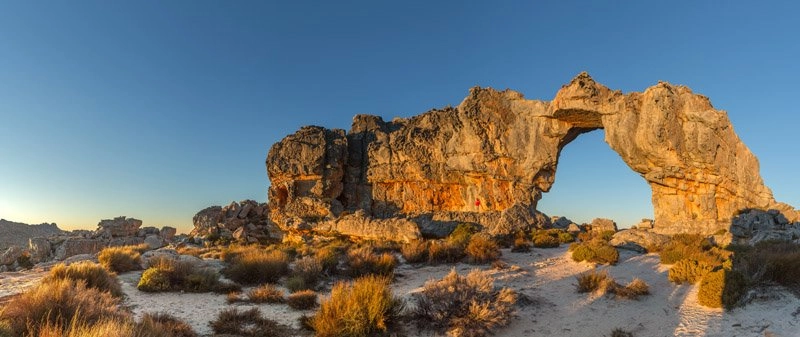
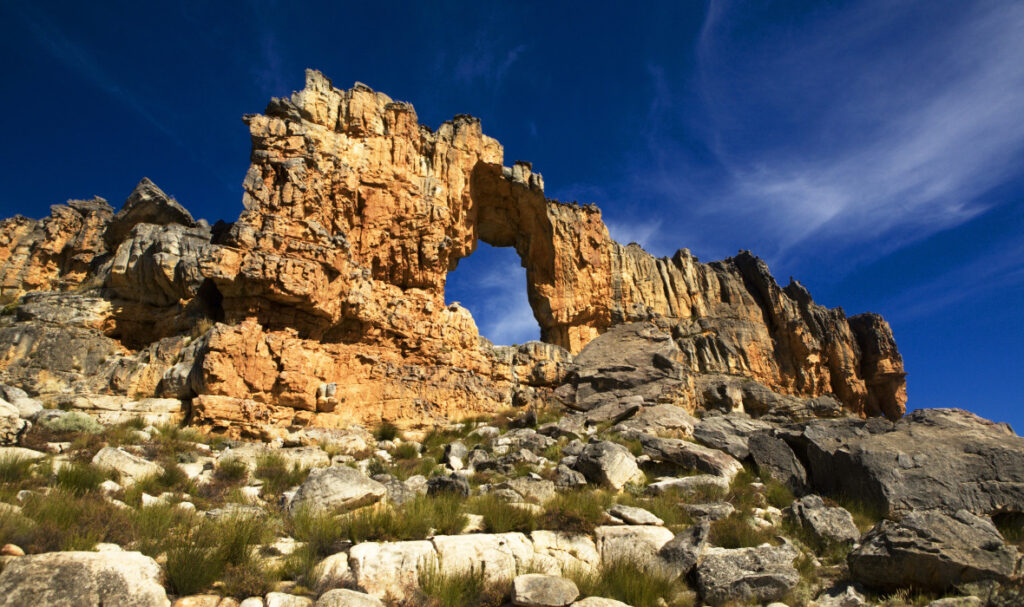
The landscape is famous for its red sandstone cliffs, shaped over millions of years by wind and weather. Iconic formations such as the Wolfberg Arch attract hikers and photographers from around the world. The area is also home to rare plant species, including the rooibos plant, which grows naturally in this region.
The Cederberg is a paradise for outdoor enthusiasts, offering hiking, rock climbing, stargazing, and camping under some of the clearest night skies in South Africa. With very little light pollution, the area is ideal for astronomy and night photography.
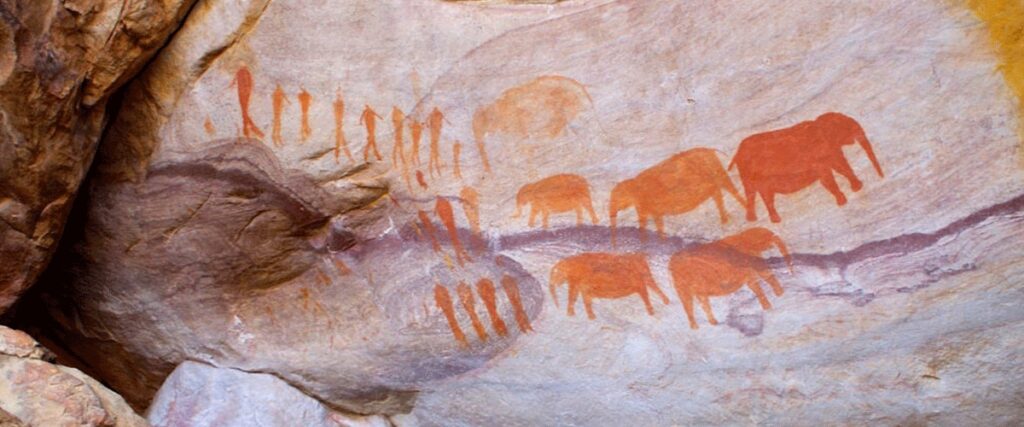
In addition to its natural beauty, the region contains ancient San rock art sites that provide insight into the lives of South Africa’s earliest inhabitants. These artworks are protected and offer a deep cultural and historical connection to the land.
For KB Tours, the Cederberg Mountains represent an adventurous, off-the-beaten-path experience for travelers seeking raw nature, peace, and exploration.
The history of the San people—often referred to as Bushmen—is one of the oldest continuous human stories on Earth. They are widely considered the earliest inhabitants of southern Africa, with roots stretching back tens of thousands of years, long before the arrival of Bantu-speaking farmers or European settlers.
Ancient origins and way of life
The San traditionally lived as nomadic hunter-gatherers, moving across vast landscapes that today include parts of South Africa, Namibia, Botswana, and Angola. Their survival skills were extraordinarily sophisticated: they tracked animals over long distances, used poisoned arrows for hunting, and gathered wild plants, roots, and fruits with deep ecological knowledge.
Their culture is rich in storytelling, spirituality, and art. One of the most remarkable legacies they left behind is rock art, which can still be seen in places like the Drakensberg Mountains and the Cederberg. These paintings—often depicting animals, hunting scenes, and trance dances—are not just decorative but deeply spiritual, linked to beliefs about the spirit world and healing practices.
Encounters and displacement
The arrival of pastoralist groups (Khoikhoi) and later Bantu-speaking communities began to change the San’s way of life, but the most dramatic disruption came with European colonization from the 17th century onwards. Dutch settlers expanding from the Cape often clashed with San groups, leading to violent conflict, dispossession of land, and systematic persecution.
Over time, many San communities were displaced, absorbed into other populations, or forced to abandon their traditional lifestyle. This resulted in a severe loss of land, language, and cultural continuity.
Cultural resilience and modern presence
Despite centuries of marginalization, San communities still exist today across southern Africa, including in parts of South Africa such as the Northern Cape. Efforts are ongoing to preserve their languages, traditions, and land rights.
Today, the San are increasingly recognized not only for their historical significance but also for their deep environmental knowledge and cultural heritage. Their story is essential to understanding the broader human history of southern Africa—one that predates modern borders and speaks to a profound connection between people and land.