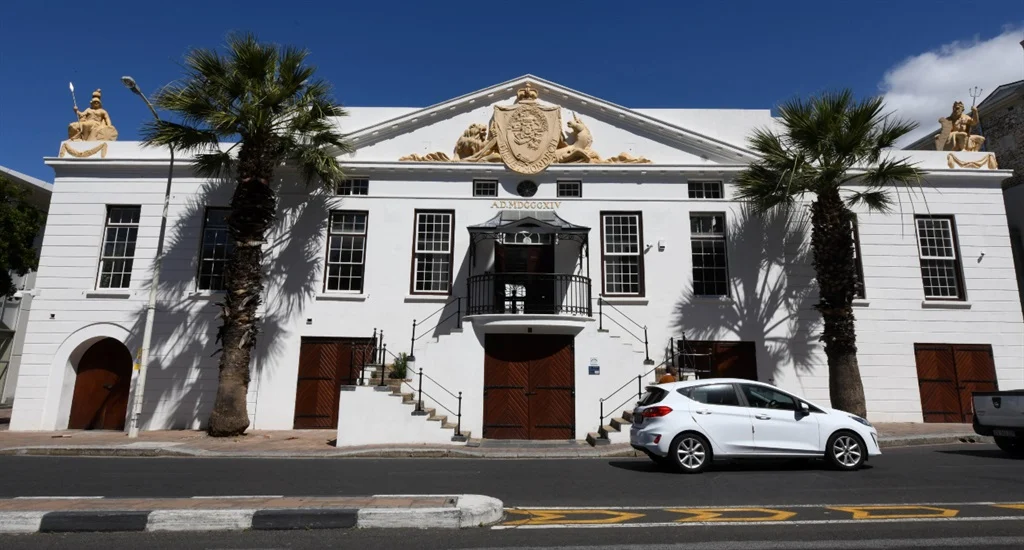
Robben Island
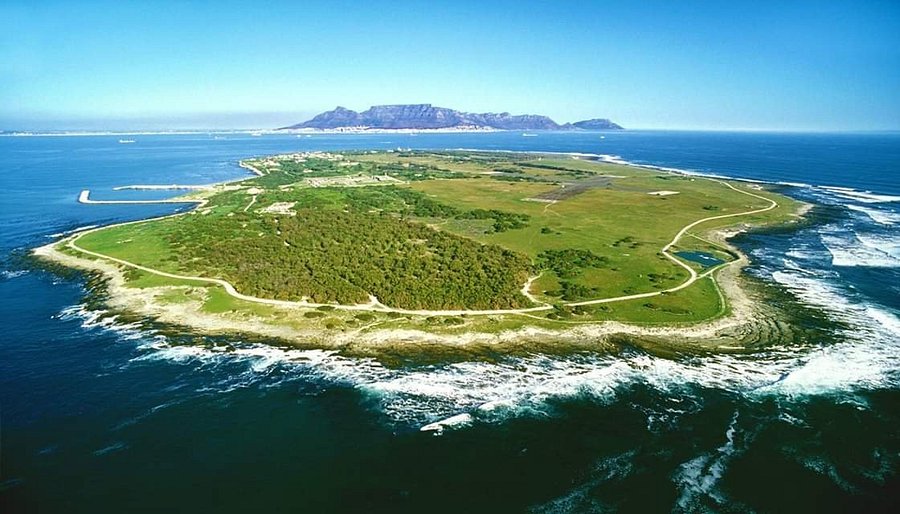
Robben Island is one of South Africa’s most significant historical landmarks and a UNESCO World Heritage Site. Located in Table Bay, the island is best known as the prison where Nelson Mandela was held for 18 years during the apartheid era. Today, it stands as a powerful symbol of freedom, resilience, and democracy.
Visitors reach the island by ferry from the V&A Waterfront, and tours are often guided by former political prisoners, offering deeply personal and emotional insights into life on the island.
The tour includes visits to prison cells, the quarry, and historical buildings that tell the story of South Africa’s struggle for freedom.
Robben Island is not only a place of historical importance but also a symbol of hope and reconciliation. The experience is both educational and moving, making it a must-visit destination for international and local tourists alike.
For KB Tours, Robben Island offers a powerful cultural experience that connects visitors to South Africa’s past and its journey toward democracy.
In the heart of the city centre, Cape Town brings together some of South Africa’s most powerful historical and cultural landmarks within a relatively compact area: the majestic Cape Town City Hall, the legacy spaces connected to Nelson Mandela, and institutions linked to Archbishop Desmond Tutu.
Cape Town City Hall
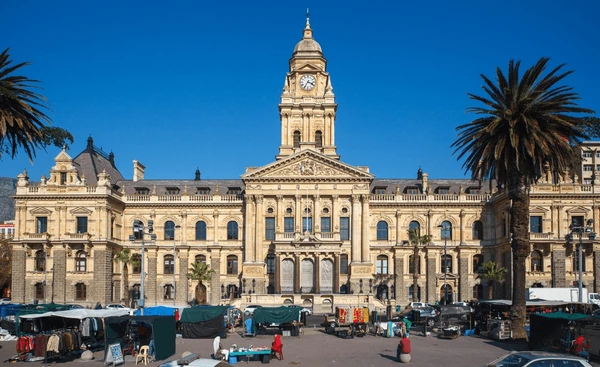
The Cape Town City Hall is one of the city’s most iconic colonial-era buildings, located on the edge of the Grand Parade square, directly facing Table Mountain. Built in 1905, it is made from honey-coloured limestone and combines Renaissance and Edwardian architectural styles.
Beyond its architectural beauty, City Hall is deeply tied to South African political history. Most famously, it was here that Nelson Mandela delivered his first public speech after his release from prison on 11 February 1990. Standing on the balcony, he addressed thousands of people gathered in the square below, marking a defining moment in the country’s transition out of apartheid.
Today, the building is still used for civic functions, concerts, and public events, making it both a working institution and a living monument.
Desmond Tutu Legacy in Cape Town
Not far from the city centre, the work and memory of Archbishop Desmond Tutu are preserved by the Desmond & Leah Tutu Legacy Foundation. This foundation is dedicated to promoting justice, human rights, and reconciliation—values that Tutu championed throughout his life as a Nobel Peace Prize laureate and key figure in the anti-apartheid movement.
The foundation also houses exhibitions and educational programs that reflect on South Africa’s past while encouraging dialogue about equality and peace in the present.
A shared historical landscape
What makes Cape Town particularly powerful is how these sites connect within a small geographic area:
- City Hall represents the political turning point of 1990
- Robben Island and the Mandela Gateway represent the years of struggle and imprisonment
- The Tutu Foundation represents reconciliation and moral leadership
Together, they form a deeply layered historical landscape where architecture, memory, and identity intersect—making Cape Town not just a scenic destination, but one of the world’s most significant cities for understanding modern human rights history.