
Cape Peninsula Full Day Tour
$100
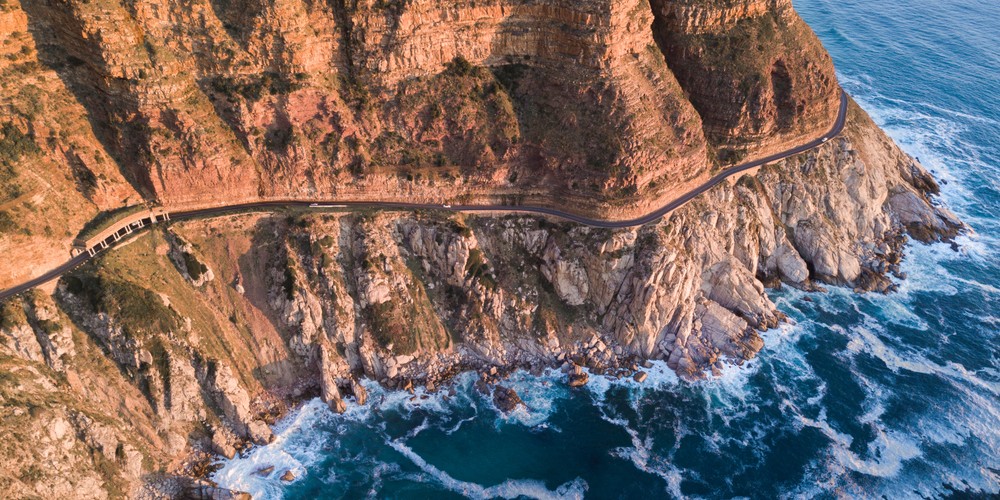
per personExperience one of the most beautiful coastal drives in the world as you explore the Cape Peninsula. From the dramatic cliffs of Chapman’s Peak Drive to the iconic Cape of Good Hope, this tour is packed with unforgettable views and photo moments.
-
DepartureCape Town
-
Departure Time9 pick up time
-
Return TimeApproximately 6 PM
-
IncludePersonal Guide
-
Not IncludedDeparture TaxesEntry Fees5 Star AccommodationAirport TransfersBreakfast
From Our Gallery
Our Gallery
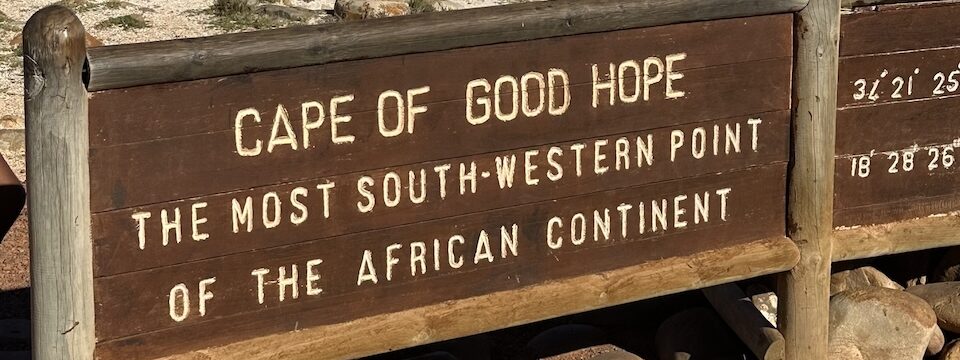
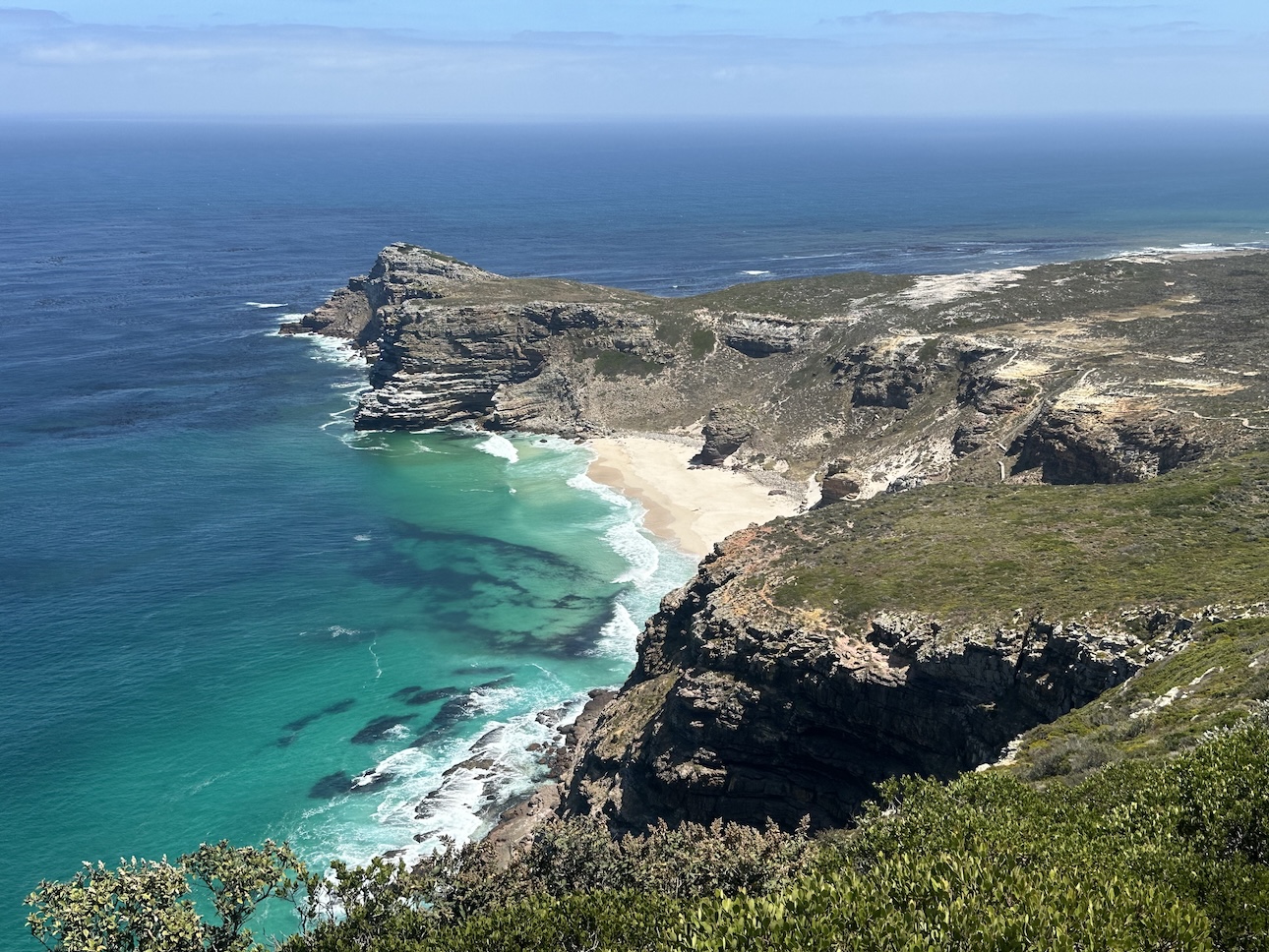
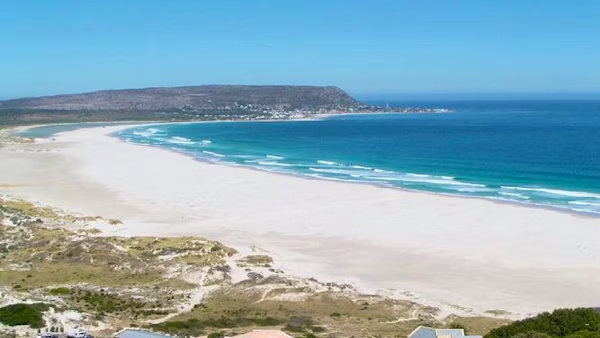
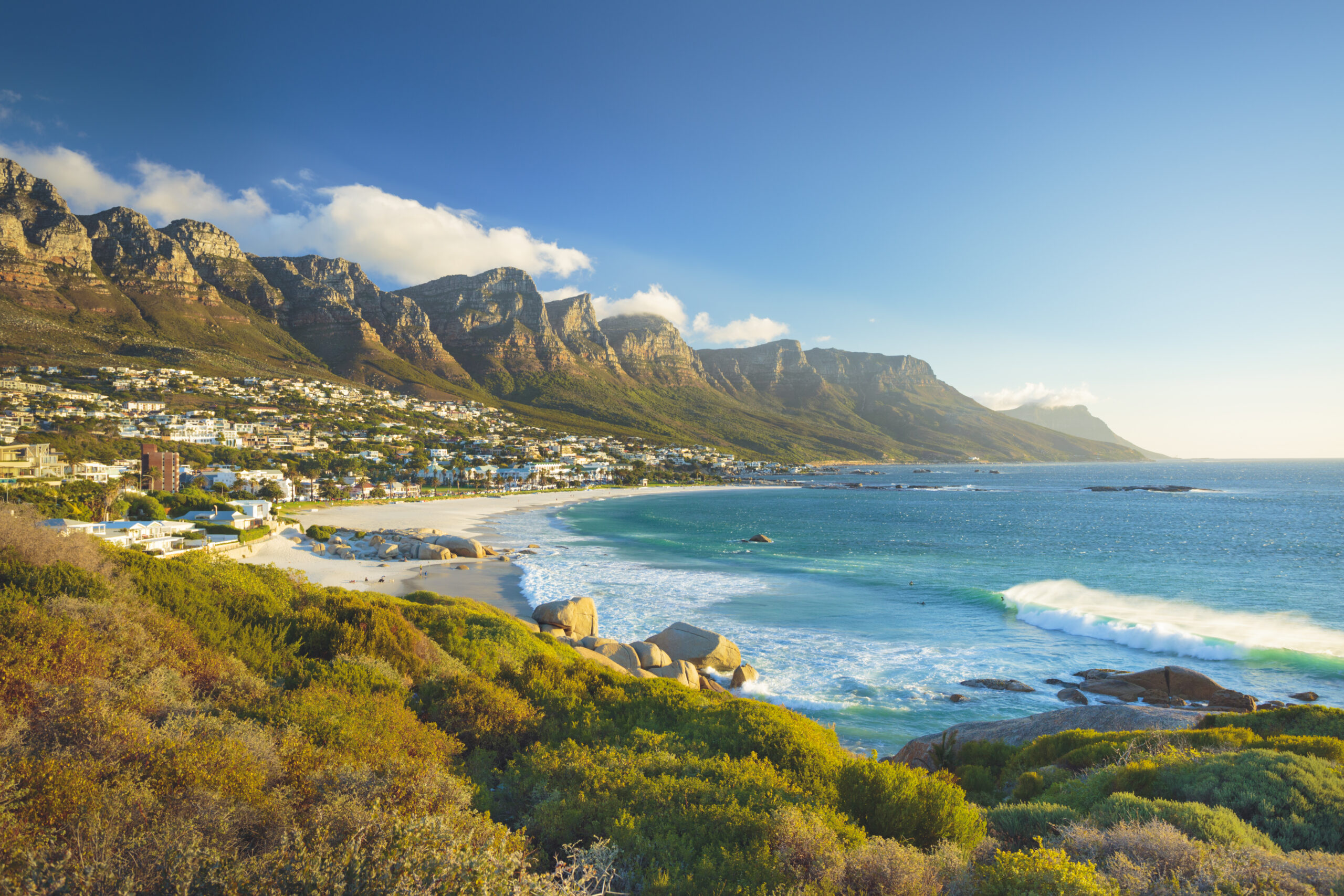
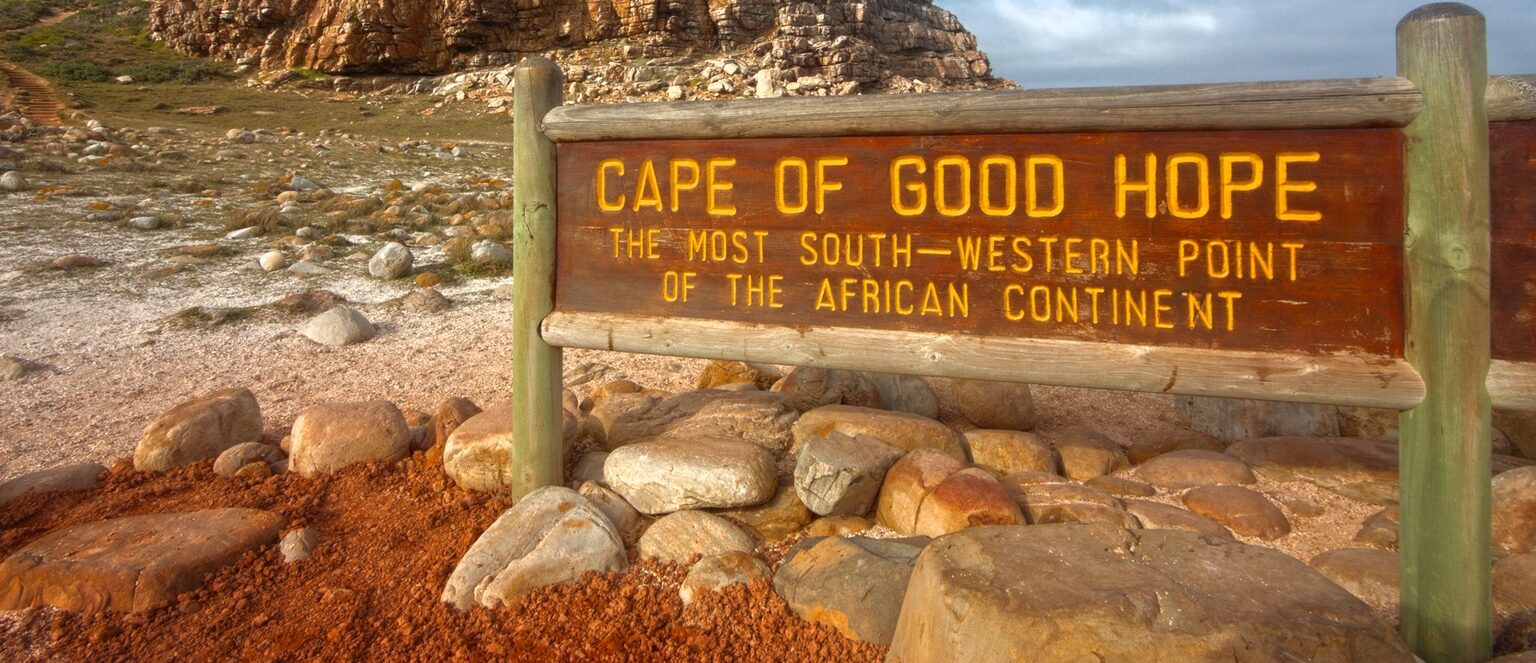
The Cape of Good Hope is one of the most iconic landmarks in southern Africa, rich in history, exploration, and myth. Located within Table Mountain National Park, it has long been a symbol of maritime adventure and global trade routes.
Early discovery and naming
The Cape was first rounded by the Portuguese explorer Bartolomeu Dias in 1488 during his search for a sea route to the East. He originally named it “Cape of Storms” (Cabo das Tormentas) because of the treacherous weather and rough seas encountered along the coastline.
However, the name was later changed by King John II of Portugal to “Cape of Good Hope” (Cabo da Boa Esperança), reflecting optimism that a direct sea route to India and the riches of the East had finally been found.
A key point on global trade routes
During the Age of Exploration, the Cape became a crucial waypoint for ships traveling between Europe and Asia. Although it is not the southernmost point of Africa (that title belongs to Cape Agulhas), it marked a major turning point for sailors navigating around the continent.
In the 17th century, the Dutch East India Company established a refreshment station at nearby Cape Town to supply passing ships with fresh water, food, and repairs. This settlement eventually grew into the city of Cape Town itself.
Shipwrecks and maritime legends
The waters around the Cape are notorious for strong winds, powerful currents, and hidden rocks. Over the centuries, many ships were wrecked along this coastline, giving rise to its dramatic reputation.
One of the most famous legends associated with the area is that of the Flying Dutchman—a ghost ship said to haunt the seas around the Cape, symbolizing the dangers faced by early sailors.
Modern significance
Today, the Cape of Good Hope is a protected natural area and a major tourist attraction. Visitors come not only for its historical importance but also for its rugged beauty—towering cliffs, crashing waves, and a sense of standing at the edge of the continent.
In essence
The Cape of Good Hope is more than just a scenic viewpoint—it is a place where geography, history, and legend converge, marking a turning point in global exploration and the connection between continents.
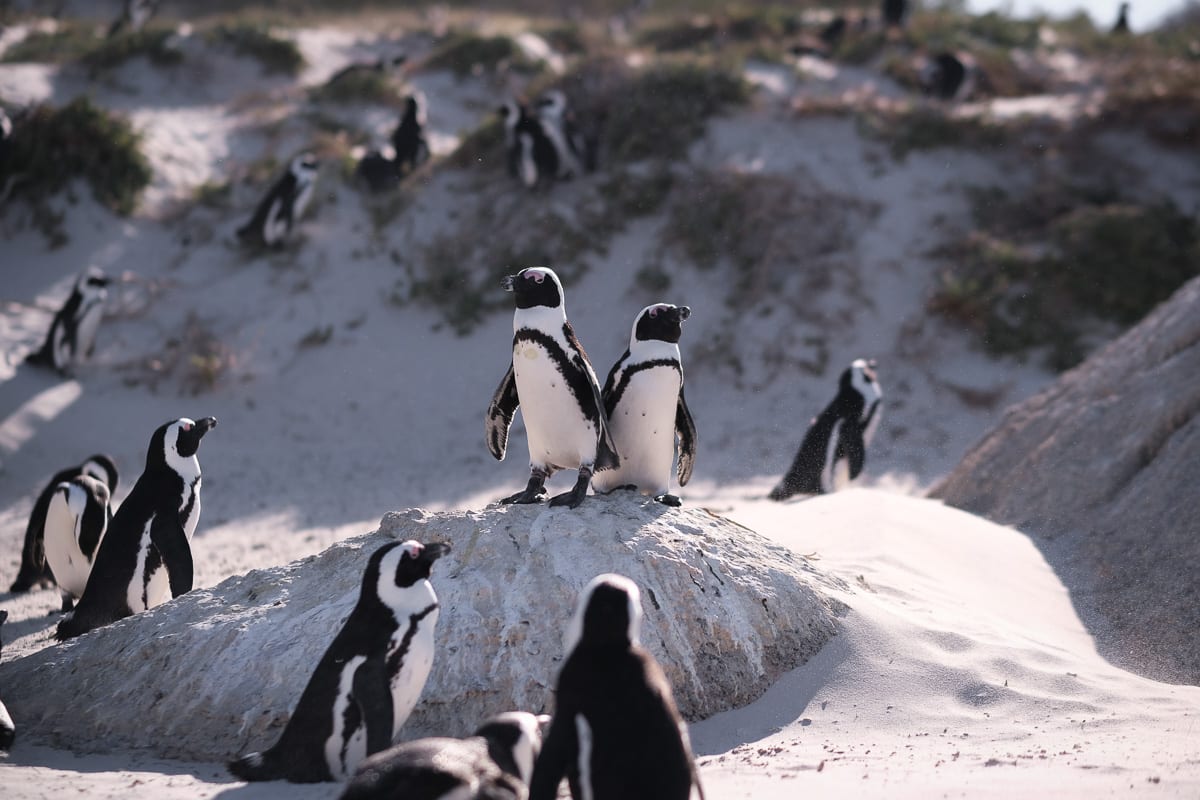
The Boulders Beach penguin colony is one of the most charming and unique wildlife attractions in South Africa, offering visitors the rare opportunity to observe endangered African penguins in a protected natural environment.